

By Nicole Jacob, Mainland Stoneworks, GHBA Green Built Gulf Coast Committee Chair
In an era where homes are expected to do more—support wellness, improve efficiency, and create meaningful living experiences—biophilic design is emerging as one of the most impactful approaches in modern homebuilding. While the concept may feel like a trend, its foundation is deeply rooted in something far more enduring: human nature itself.
At its core, biophilic design is the intentional integration of natural elements, materials, and experiences into the built environment. It’s more than just adding plants or maximizing views. It is about creating spaces that reconnect people to the natural world in an intuitive, calming, and restorative way.
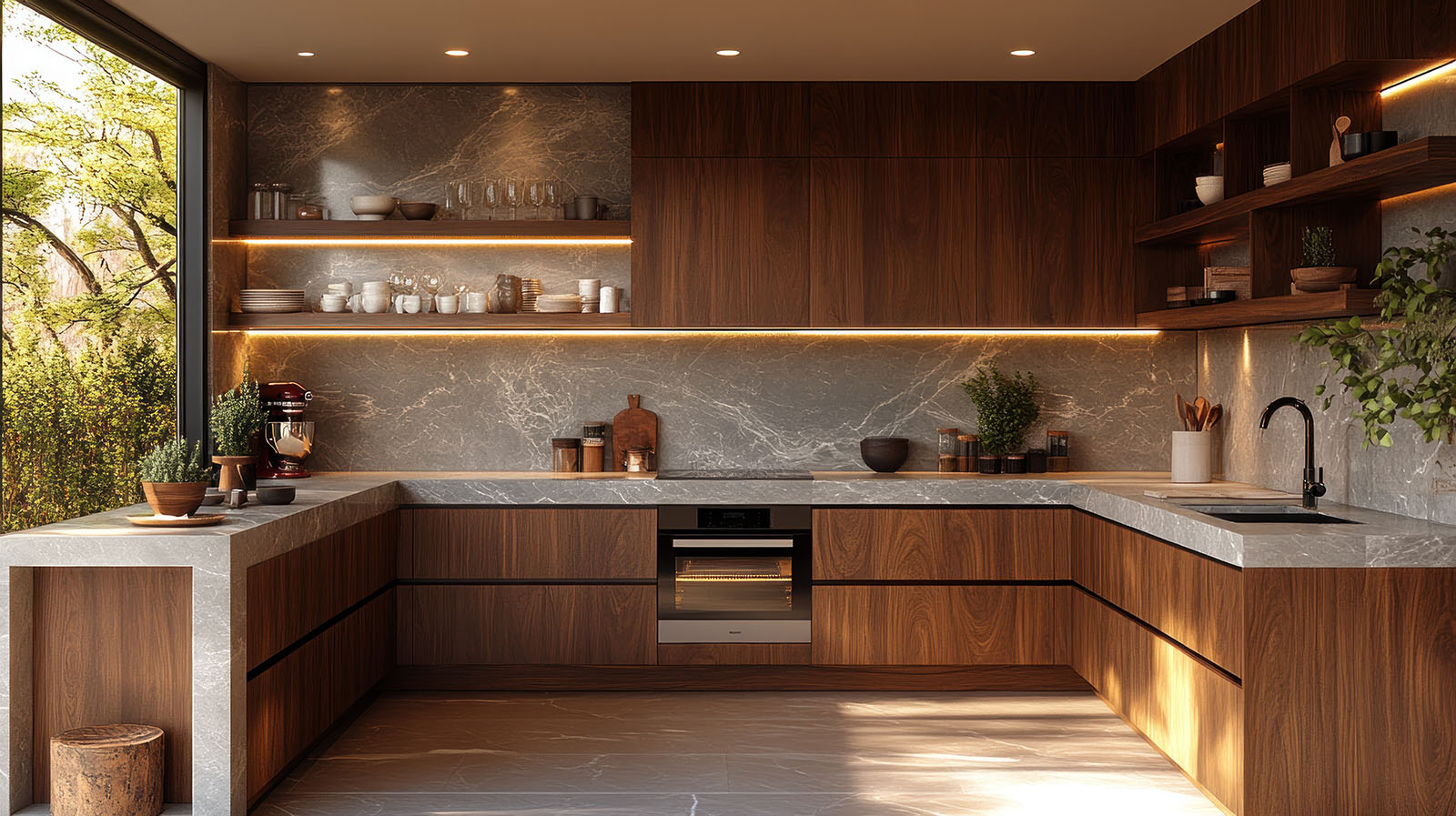
Why Biophilic Design Resonates
Humans are instinctively drawn to nature. It’s biology. For thousands of years, our survival depended on reading natural environments: seeking light, recognizing patterns, understanding materials, and responding to sensory cues. Even in today’s highly developed environments, our brains and bodies still respond to those same inputs.
Natural light improves circadian rhythms. Organic textures reduce stress. Visual connections to greenery can lower blood pressure and enhance focus. These responses directly impact how we experience a home.
In a region like Greater Houston, where climate, landscape, and rapid development intersect, this connection becomes even more important. Biophilic design offers a way to soften the built environment while improving livability and long-term value.
The Fundamentals of Biophilic Design
Biophilic design is typically implemented through three core principles:
1. Direct Connection to Nature – This includes access to natural light, ventilation, water features, and vegetation. In Houston homes, this often translates to expansive windows, sliding glass doors, shaded outdoor living areas, and courtyards that extend usable space beyond interior walls.
2. Indirect Connection to Nature – Materials, colors, and patterns that reflect the natural world fall into this category. Wood grains, stone surfaces, earth-toned palettes, and organic forms all create a subtle but powerful sense of connection.
3. Spatial Experience – This principle focuses on how a space feels. Open layouts, layered lighting, transitions between indoors and outdoors, and a sense of refuge paired with prospect (comfort with visibility) all contribute to a more intuitive and comfortable environment.
Biophilic Design in the Greater Houston Market
Builders and developers across the Greater Houston area are increasingly incorporating biophilic strategies into both custom and production homes. This shift is not just aesthetic, it is practical.
Covered patios, outdoor kitchens, and shaded breezeways are becoming standard features, responding to both climate and lifestyle. Window placement is being used more intentionally to frame views and capture daylight without sacrificing energy performance. Floor plans are evolving to blur the line between indoor and outdoor living.
At the same time, material selections are becoming more thoughtful. Homeowners are showing a growing preference for finishes that feel authentic, durable, and connected to the environment.
The Role of Natural Stone in Biophilic Design
Among the most effective materials in biophilic design is natural stone. Unlike manufactured alternatives, natural stone carries inherent variation, texture, and depth—qualities that cannot be replicated and that the human eye instinctively recognizes as real.
Each slab tells a geological story, formed over time through natural processes. This authenticity creates a visual and tactile connection to the earth that aligns directly with the goals of biophilic design.
Beyond aesthetics, natural stone offers several practical advantages that support sustainable and resilient building:
- Durability and Longevity: Stone surfaces withstand wear, heat, and time, reducing the need for replacement and minimizing long-term material waste.
- Low Maintenance: Properly selected and sealed stone performs reliably in high-use areas like kitchens, baths, and outdoor applications.
- Thermal Properties: Stone can help regulate temperature, particularly in applications like flooring or exterior cladding, contributing to overall energy efficiency.
- Material Integrity: As a natural product, stone avoids many of the synthetic additives found in manufactured surfaces, aligning with healthier indoor environments.
In Houston’s climate, natural stone is particularly well-suited for both interior and exterior use—from kitchen countertops and bath surrounds to outdoor kitchens, pool areas, and feature walls. Its ability to transition seamlessly between spaces reinforces the indoor-outdoor connection that defines biophilic design.
Building for What Comes Naturally
Biophilic design is about returning to fundamentals. It asks builders and designers to consider how materials feel, how spaces function, and how people experience the environments they live in every day. As the Greater Houston market continues to grow and evolve, incorporating these principles offers a clear opportunity to build homes that are not only efficient and durable, but also deeply aligned with the way people are naturally wired to live. In doing so, we move beyond building structures, and begin creating spaces that truly support the people inside them.